
How Do Porta Potties Work On A Job Site?
A standard unit on a construction site is a self-contained box: seat, tank, toilet paper holder, and a vent pipe running up the back wall. No plumbing runs to it. The tank underneath is 60 to 70 gallons, and the whole unit sits about 44 by 48 inches on the ground and stands roughly 92 inches tall, per specs used across standard porta potty rental units in La Mesa. A construction worker running to a porta potty during a break doesn't wait on a line hookup because there isn't one. OSHA 1926.51(c) sets the ratio: one toilet for 20 workers or fewer, then one toilet seat and one urinal per 40 workers once the crew grows past that, up to 50 per facility at 200-plus workers. That's why bigger crews order more than one unit instead of one giant one. If you're staging a renovation instead of a full build, home renovation porta potty rentals follow the same math on a smaller scale. Placement matters too: OSHA 1926.51(a)(1) requires potable water on site, which is a separate requirement from the toilet itself, and it's why some job sites also order a handwashing station rental alongside the units.
How Does A Portable Sink Work?
A portable sink is a self-contained unit with its own fresh water tank, a foot pump or hand crank to push water to the faucet, and a gray water tank underneath to catch the runoff. Nothing connects to a building. Standards under 29 CFR 1910.141(d)(2) call for soap and a towel or air dryer at any handwashing setup, not just sanitizer, since sanitizer alone doesn't meet that requirement. That's the whole reason portable sink rental exists as its own product separate from a hand sanitizer station rental, which is a lower-cost backup, not a substitute. OSHA 1926.51(f)(1) adds a specific trigger: crews applying paints, coatings, herbicides or insecticides need washing facilities on hand because of what's on their hands and skin, not just general dirt. La Mesa crews doing exterior painting or landscaping treatments should plan for that station before the paint truck shows up, not after. Refill and pump-out on a portable sink follows roughly the same rhythm as a porta potty service run, which is worth knowing if you're budgeting a porta potty rental cost for a mixed-service job.
How Do Flushable Porta Potties Work?
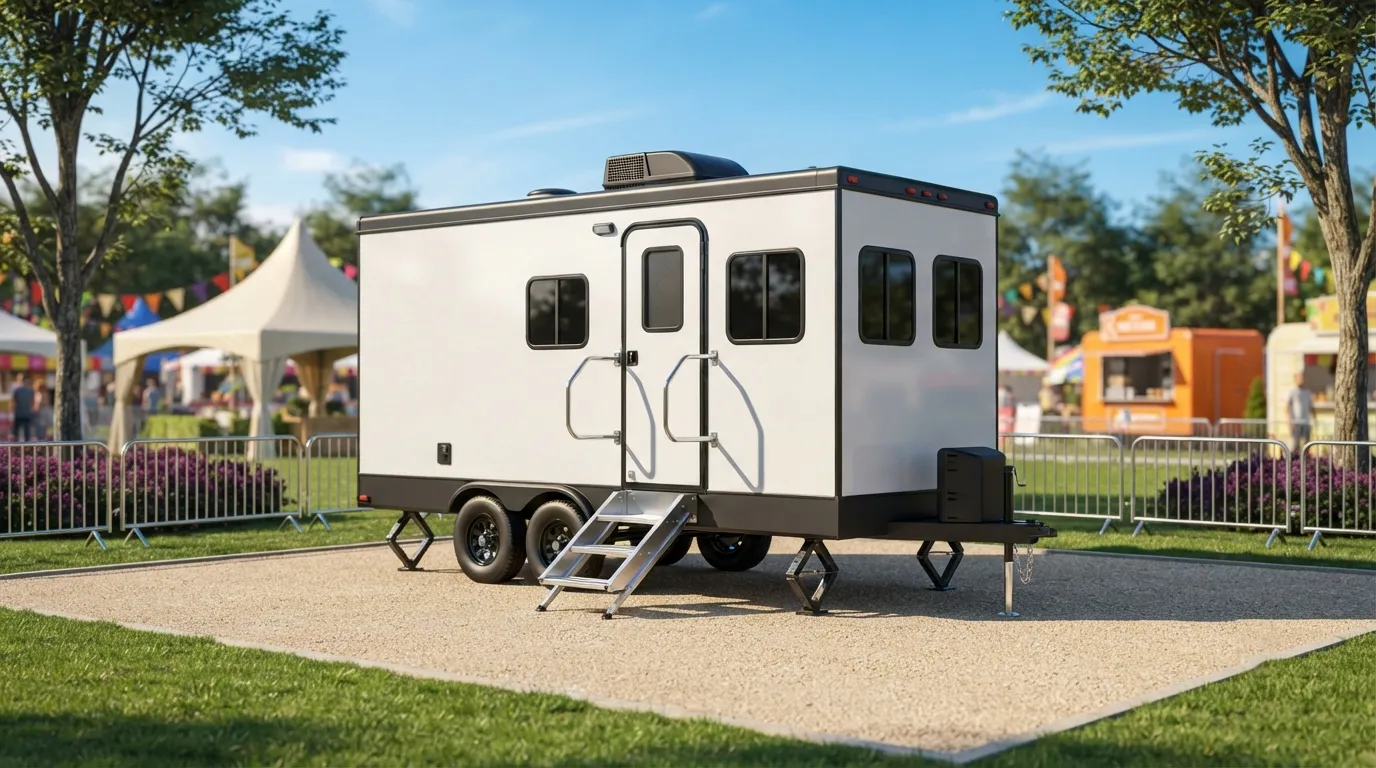
A flushable, or deluxe, unit adds a small onboard reservoir and a hand-pump or pedal flush that pushes a measured splash of water into the bowl, rinsing waste into the tank below instead of letting it sit exposed. It still isn't plumbed to a sewer line. The tank fills the same way a standard unit's does, and La Mesa Porta Pros still pumps it on a route schedule. These units cost more than a standard rental because of the added mechanism and the water reservoir, and the deluxe flushable porta potty page breaks down what's inside one. ADA-compliant versions of this same flush mechanism appear in ADA accessible porta potty units too, which under ADA Standards 213.2 must make up at least 5 percent of any cluster of single-user units, with a minimum of one no matter how small the order. Those ADA units also meet ADA Standards 404.2.3 for a 32 inch clear door opening and 304.3.1 for a 60 inch turning circle inside. Weddings and other dressed-up events in La Mesa often order flushable units specifically because guests notice the difference; see wedding restroom rental for how that pairs with a trailer option.
How Do Camping Porta Potties Work?
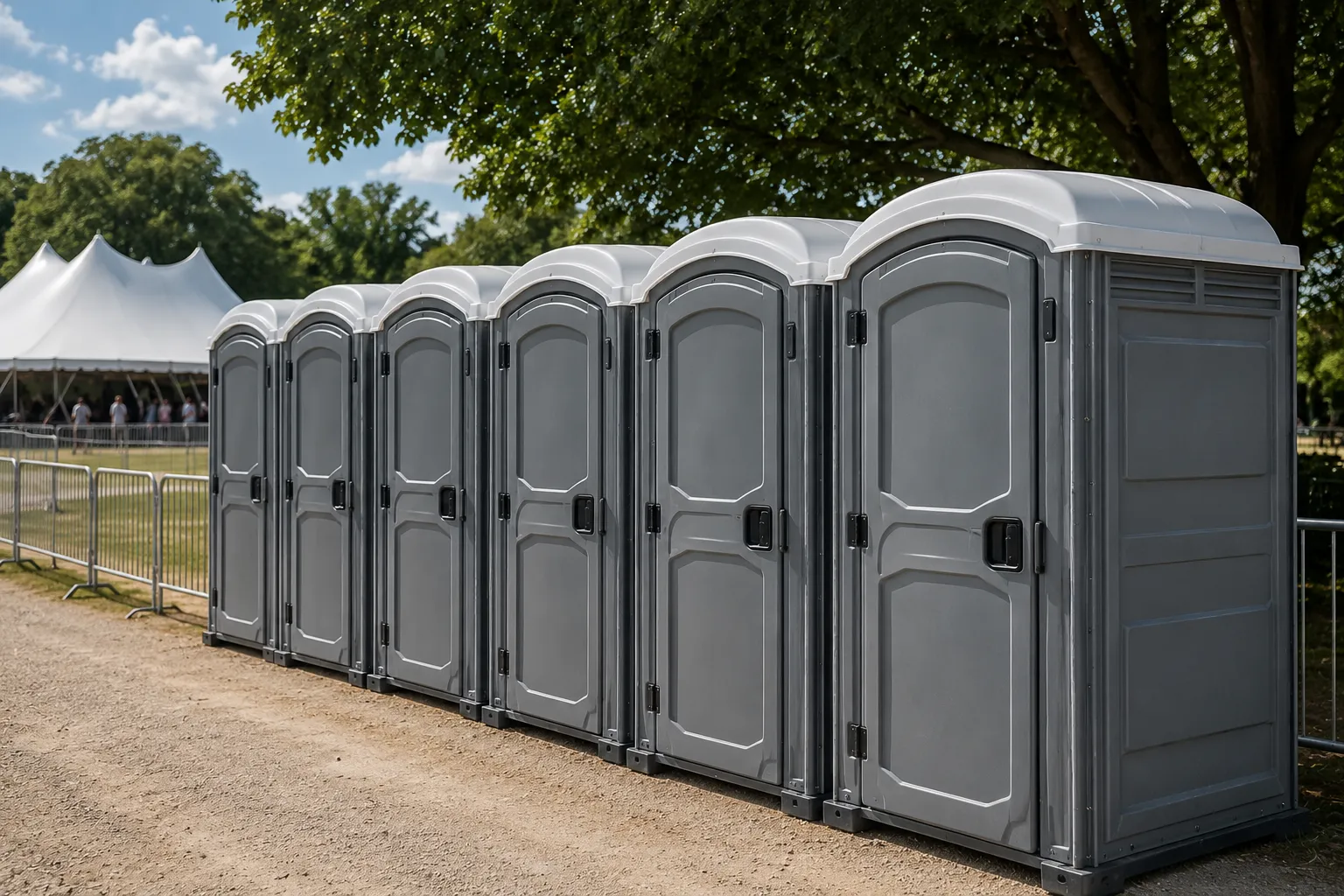
Camping and small backyard units work the same way as a job site unit, just smaller and lighter, built for a portable sink or bucket-style tank you can dump into an approved disposal point rather than a scheduled pump route. For an organized outdoor event rather than a personal camping trip, camping porta potty rentals from La Mesa Porta Pros still use the standard 60 to 70 gallon tank and get serviced on the same route as job site units. The chemical inside is the same blue deodorizer used industry-wide, sold at most sanitation suppliers as portable toilet chemicals, and it does two things: breaks down solids and blocks the ammonia smell that builds in an unvented sealed tank. None of this connects to a septic system, which is a separate piece of equipment entirely. If your property runs on a private septic tank rather than rented units, that tank gets pumped every 3 to 5 years depending on size and household load, a different maintenance cycle covered on septic pumping service and how often to pump a septic tank.
How often does a porta potty get serviced?
The baseline under ANSI/PSAI Z4.3 is one visit a week for up to 10 users across a 40 hour week. Busier sites need more frequent stops. La Mesa Porta Pros schedules service around actual headcount, not a flat calendar, so a crew of 30 gets more visits than a crew of 5.
Do porta potties smell if serviced on schedule?
Not much, if the tank chemical and vent stack are doing their job and pump-outs stay on schedule. Odor shows up when a tank gets close to full or the vent gets blocked. See do porta potties smell for what actually causes it.
Can I run a portable sink without hooking it to anything?
Yes. It carries its own fresh water tank and pumps water to the faucet without any building hookup. Gray water collects in a tank below and gets dumped on the same schedule as the rest of your rental order.
What chemical goes in a porta potty tank?
A blue deodorizing chemical formulated to break down solids and control odor. It's the standard used across the industry, not a City of La Mesa-specific formula, and it's added at delivery and topped off at each service visit.
How many porta potties does a job site need?
It depends on crew size under OSHA 1926.51(c): one unit per 20 workers or fewer, then additional fixtures as headcount climbs. Use how many porta potties do I need to run the math for your specific crew size before you order.
Next step
Get a delivery date
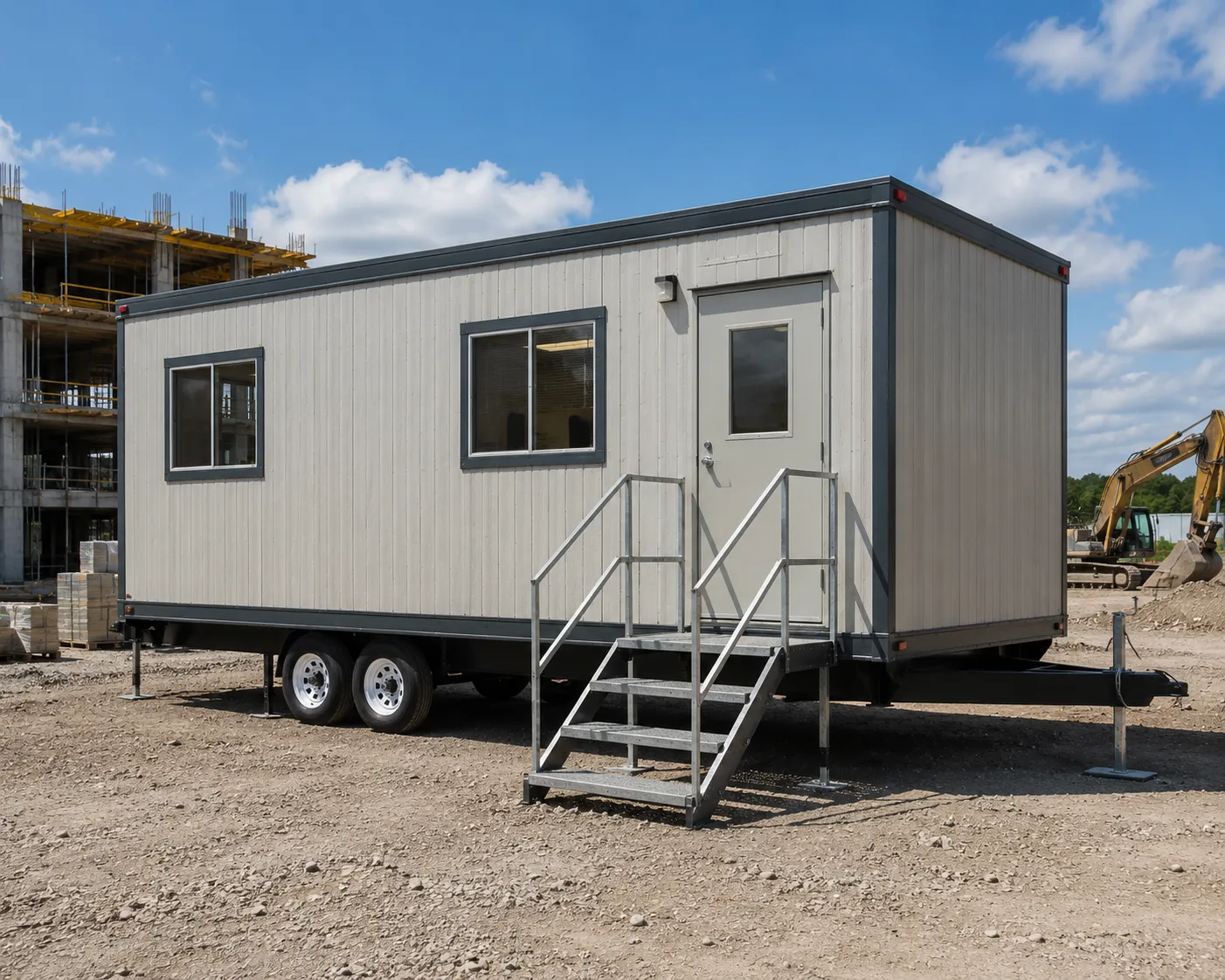
Tell us the address, the dates and the headcount. We size the order and confirm the route.